You don’t need expensive treatments or extreme routines to stay well—sometimes, the quietest practices make the biggest difference. I started qigong after feeling constantly drained, and within weeks, my energy shifted. This ancient Chinese tradition isn’t about dramatic moves or mystical claims—it’s about gentle motion, breath, and balance. Now, I practice just 10 minutes a day, and it’s become my go-to shield against stress and sickness. Let me show you how this simple habit could change your health, too.
The Hidden Cost of Modern Life: Why Our Bodies Cry for Simplicity
In today’s fast-moving world, many women in their 30s, 40s, and 50s find themselves stretched thin—managing homes, careers, aging parents, and children, all while trying to stay healthy. The demands are relentless, and the body pays the price. Chronic stress, poor sleep, and low energy have become common companions, not exceptions. Over time, this constant strain disrupts the body’s natural rhythms, weakening the immune system and increasing vulnerability to illness. The body is designed for balance, not perpetual motion, yet modern life rarely allows for stillness or recovery.
What many don’t realize is that small, repeated imbalances—like skipping sleep, eating on the run, or never truly disconnecting—add up. These daily habits may seem harmless, but over months and years, they wear down resilience. The result? Frequent colds, digestive issues, headaches, or persistent fatigue that no amount of coffee can fix. Doctors often treat the symptoms, but the root cause—lifestyle overload—goes unaddressed. This is where simple, sustainable practices like qigong step in, not as a cure, but as a way to restore what modern life takes away.
Unlike high-intensity workouts or complicated wellness regimens, qigong meets people where they are. It doesn’t require extra time, equipment, or energy. Instead, it works with the body’s natural ability to heal and regulate itself. By slowing down and reconnecting with breath and movement, women can begin to counteract the effects of stress. The practice doesn’t demand perfection—just presence. And in that presence, the body begins to reset, one breath at a time.
Experts in integrative health increasingly recognize the value of low-impact, mindful movement for long-term wellness. These practices don’t promise overnight miracles, but they do support the body’s foundational systems—nervous, immune, and circulatory—over time. For busy women who feel too tired to add another thing to their day, qigong offers a gentle alternative: a way to care for oneself without more strain. It’s not about doing more; it’s about doing less, but with intention.
What Exactly Is Qigong? Breaking Down the Basics
Qigong (pronounced “chee-gong”) is a traditional Chinese practice that has been used for centuries to promote health, balance, and vitality. At its core, it combines slow, flowing movements with deep breathing and mental focus. The word “qi” refers to vital energy or life force, while “gong” means skill or practice—so qigong is essentially the cultivation of energy through consistent training. While this concept may sound abstract, the practice itself is very grounded and accessible.
Unlike high-impact exercise, qigong doesn’t raise the heart rate or build muscle in the conventional sense. Instead, it works on a deeper level—supporting the body’s internal systems. Movements are gentle and repetitive, often performed while standing or sitting. Each motion is coordinated with the breath, creating a rhythm that calms the mind and improves circulation. The focus is not on how far or fast you move, but on how present you are in each moment.
It’s easy to confuse qigong with tai chi or yoga, but there are important distinctions. Tai chi is a martial art that evolved from qigong and involves longer, more complex sequences. Yoga, while also mind-body focused, often emphasizes flexibility and strength through postures. Qigong, by contrast, is simpler and more adaptable. It can be practiced in a small space, without a mat, and even by those with limited mobility. There’s no need for special clothing or equipment—just comfortable attire and a few minutes of quiet.
One of the most appealing aspects of qigong is its inclusivity. It doesn’t matter if you’ve never exercised before or if you’re managing a chronic condition. The practice meets you where you are. You can modify movements, shorten sessions, or even practice while seated. The goal isn’t performance—it’s connection. By tuning into your breath and body, you begin to rebuild awareness of how you feel, moment to moment. This mindfulness is a powerful tool, especially for women who spend so much time focused on others.
How Qigong Supports the Body’s Natural Defenses
While qigong is rooted in tradition, modern science has begun to explore its benefits. Research in the field of mind-body medicine suggests that practices like qigong can positively influence the body’s physiological functions. Though specific studies vary in design and scope, general findings point to improvements in stress regulation, immune function, and overall well-being. These effects are not immediate or dramatic, but they are meaningful when practiced consistently over time.
One of the most well-documented benefits is its impact on the nervous system. Chronic stress keeps the body in a constant state of “fight or flight,” which over time can lead to inflammation, poor digestion, and weakened immunity. Qigong helps activate the parasympathetic nervous system—the body’s “rest and digest” mode. Through slow breathing and mindful movement, the body learns to shift out of stress and into a state of calm. This doesn’t eliminate life’s challenges, but it builds resilience to handle them more effectively.
Breath is a central component of qigong, and for good reason. Deep, diaphragmatic breathing increases oxygen flow, supports lung function, and helps regulate blood pressure. When practiced regularly, it can improve circulation and reduce muscle tension. These changes may seem subtle, but they create a foundation for better health. For women experiencing fatigue or low energy, this gentle boost in oxygenation can make a noticeable difference in daily stamina and mental clarity.
Immune function also appears to benefit from regular qigong practice. While it does not prevent or cure illness, studies suggest that mind-body practices can enhance immune response by reducing stress hormones like cortisol. Lower stress levels mean the body can focus on repair and defense, rather than constant alertness. This is especially important as women age and natural immunity begins to decline. Qigong doesn’t replace vaccines or medical care, but it can be a supportive habit that strengthens the body’s ability to stay well.
Additionally, qigong encourages better posture and body awareness. Many women spend hours sitting—at desks, in cars, or on couches—leading to stiffness, back pain, and shallow breathing. The gentle stretches and alignments in qigong help counteract these effects. Over time, improved posture supports digestion, breathing, and even mood. These benefits may not be flashy, but they contribute to a greater sense of physical comfort and ease.
The Morning Routine That Changed My Weekdays
My own journey with qigong began during a particularly exhausting phase of life. I was juggling work, family, and household responsibilities, and no matter how much I slept, I woke up feeling drained. I tried supplements, stricter diets, and even short workouts, but nothing gave me the sustained energy I needed. Then, a friend suggested I try a simple qigong routine each morning. Skeptical but willing, I committed to just five minutes a day.
I started with a basic standing practice: feet shoulder-width apart, knees slightly bent, arms relaxed at my sides. I closed my eyes and focused on my breath, inhaling slowly through the nose and exhaling through the mouth. After a few breaths, I began to raise my arms in front of me, as if lifting a ball of energy, then lowering them again. The movements were slow, almost meditative. At first, it felt strange—too simple to make a difference. But after a week, I noticed something unexpected: I felt calmer, more centered, and less reactive to daily stressors.
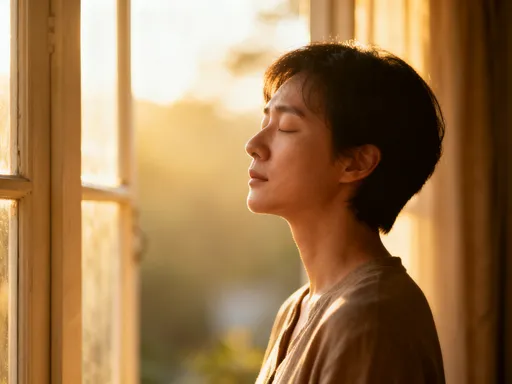
I gradually increased my practice to ten minutes, following a gentle sequence I found online. Each morning, I stood near my living room window, where sunlight streamed in. I began with three deep breaths, then moved into a series of flowing motions: raising and lowering the arms, turning the torso slightly, and shifting weight from one foot to the other. The routine was never strenuous—just enough to wake up the body without exhausting it. What mattered most was consistency, not intensity.
Within a few weeks, the effects became clearer. I had more energy in the afternoons. My sleep improved. Even small aches and stiffness in my shoulders and back began to ease. The biggest change, though, was mental. I felt less overwhelmed. Mornings no longer started with a rush to check emails or manage schedules. Instead, I began the day with a moment of quiet, a small act of self-care that set a calmer tone for everything else. It wasn’t magic—it was mindfulness in motion.
What surprised me most was how this tiny habit created ripple effects. Because I felt more balanced in the morning, I made better food choices. I was more patient with my family. I even found myself taking short breathing breaks during the day, something I’d never done before. The practice didn’t take much time, but it changed how I moved through my day. It became less about fixing what was wrong and more about nurturing what was already working.
Common Misconceptions That Keep People Away
Despite its benefits, many women hesitate to try qigong. Some dismiss it as too slow or ineffective, believing that only intense exercise counts as real fitness. Others associate it with spiritual or mystical ideas they’re uncomfortable with. These misconceptions can be powerful barriers, especially for those who value practical, evidence-based approaches to health. But qigong doesn’t require belief in energy flow or ancient philosophy to be effective. What it does require is openness to a different kind of movement—one that values stillness as much as action.
The idea that “more is better” is deeply ingrained in modern fitness culture. We’re taught that sweating, pushing, and challenging our limits are the only ways to get results. But the body also needs recovery, balance, and regulation. Qigong offers that balance. It’s not about burning calories or building strength; it’s about restoring function. Think of it like tuning an instrument—small adjustments that bring everything into harmony. You wouldn’t expect a violin to sound right without tuning, so why expect your body to function well without regular recalibration?
Another common myth is that qigong is only for older adults or people with health problems. While it’s true that many older adults benefit from its gentle nature, it’s equally valuable for women in midlife who want to prevent decline before it starts. This is a time when small habits can have long-term impact. By supporting joint health, circulation, and stress management now, women can maintain vitality for years to come. Qigong isn’t a last resort—it’s a proactive choice.
Some also worry that they won’t do it “right.” But qigong is not about perfection. There’s no competition, no grading, no need to compare yourself to others. Every body moves differently, and every practice is personal. The most important thing is showing up, even if it’s just for a few minutes. Over time, the body learns the rhythm, and the mind begins to settle. It’s not about mastering a technique—it’s about building a relationship with yourself.
How to Start—And Actually Stick With It
Starting a qigong practice doesn’t require special training or equipment. The first step is simply setting aside a few minutes each day, preferably at the same time, to create a routine. Many find mornings ideal, as it sets a calm tone for the day. Choose a quiet space where you won’t be interrupted—near a window, in a bedroom, or even in a cleared corner of the living room. Wear comfortable clothing that allows for easy movement, and go barefoot or wear soft shoes.
Begin with just five minutes. Stand with your feet shoulder-width apart, knees slightly bent, spine straight but not rigid. Let your arms hang loosely at your sides. Close your eyes or soften your gaze. Take three slow, deep breaths, feeling the air fill your belly and chest. Then, begin to raise your arms in front of you, as if lifting a light ball, and lower them again. Repeat this motion for a few minutes, coordinating each movement with your breath. Inhale as you lift, exhale as you lower. If your mind wanders, gently bring it back to your breath.
To stay consistent, pair your practice with an existing habit—like after brushing your teeth or before making coffee. Use a phone reminder or calendar alert to help build the routine. If you miss a day, don’t judge yourself. Just begin again the next day. Progress isn’t measured in perfection, but in persistence. Over time, you may want to explore longer routines or different movements, but the foundation is simple: breath, movement, and awareness.
There are many free resources available online, including videos and audio guides from certified instructors. Look for programs that emphasize gentle, accessible movements and clear instruction. Avoid anything that feels too complex or demanding. The goal is to feel better, not overwhelmed. And remember, qigong is a complement to, not a replacement for, medical care. If you have health concerns, always consult a qualified healthcare provider before starting any new practice.
Why This Simple Practice Might Be the Best Prevention Habit You Never Tried
In a world that glorifies busyness and constant achievement, qigong is a quiet rebellion. It asks nothing of you but a few minutes of stillness, yet it offers profound returns: more energy, less stress, better sleep, and a stronger body. It’s not a quick fix or a trendy wellness fad. It’s a timeless practice rooted in the wisdom of balance and self-awareness. For women who spend their days caring for everyone else, it’s a rare opportunity to care for themselves—without guilt, without cost, without pressure.
Prevention doesn’t always mean drastic changes. Sometimes, it’s the small, daily choices that make the biggest difference. Brushing your teeth, drinking water, getting enough rest—these are all acts of prevention. Qigong belongs in that category. It’s not about curing illness, but about creating conditions where health can thrive. By returning to simplicity, we reconnect with the body’s innate intelligence—the ability to heal, adapt, and renew.
You don’t need to believe in energy, ancient traditions, or mystical forces to benefit from qigong. You just need to breathe, move gently, and pay attention. In that attention, you reclaim a sense of agency over your well-being. You learn to listen to your body again, to notice when you’re tense, when you’re tired, when you need to slow down. These insights are powerful, especially in a culture that teaches us to push through discomfort.
For women in their 30s, 40s, and 50s, this practice offers something invaluable: a way to age with strength and grace. It supports joint health, circulation, mental clarity, and emotional balance—key areas that matter most as we grow older. And because it’s so gentle, it can be sustained for life. There’s no expiration date, no point at which it becomes too hard. If anything, it becomes more valuable with time.
So if you’ve been looking for a way to feel better without adding more to your plate, consider giving qigong a try. Start small. Be patient. Let the practice unfold at its own pace. You might be surprised at how such a simple habit can bring such deep change. After all, health isn’t built in grand gestures—it’s built in quiet moments, one breath, one movement, one day at a time.